
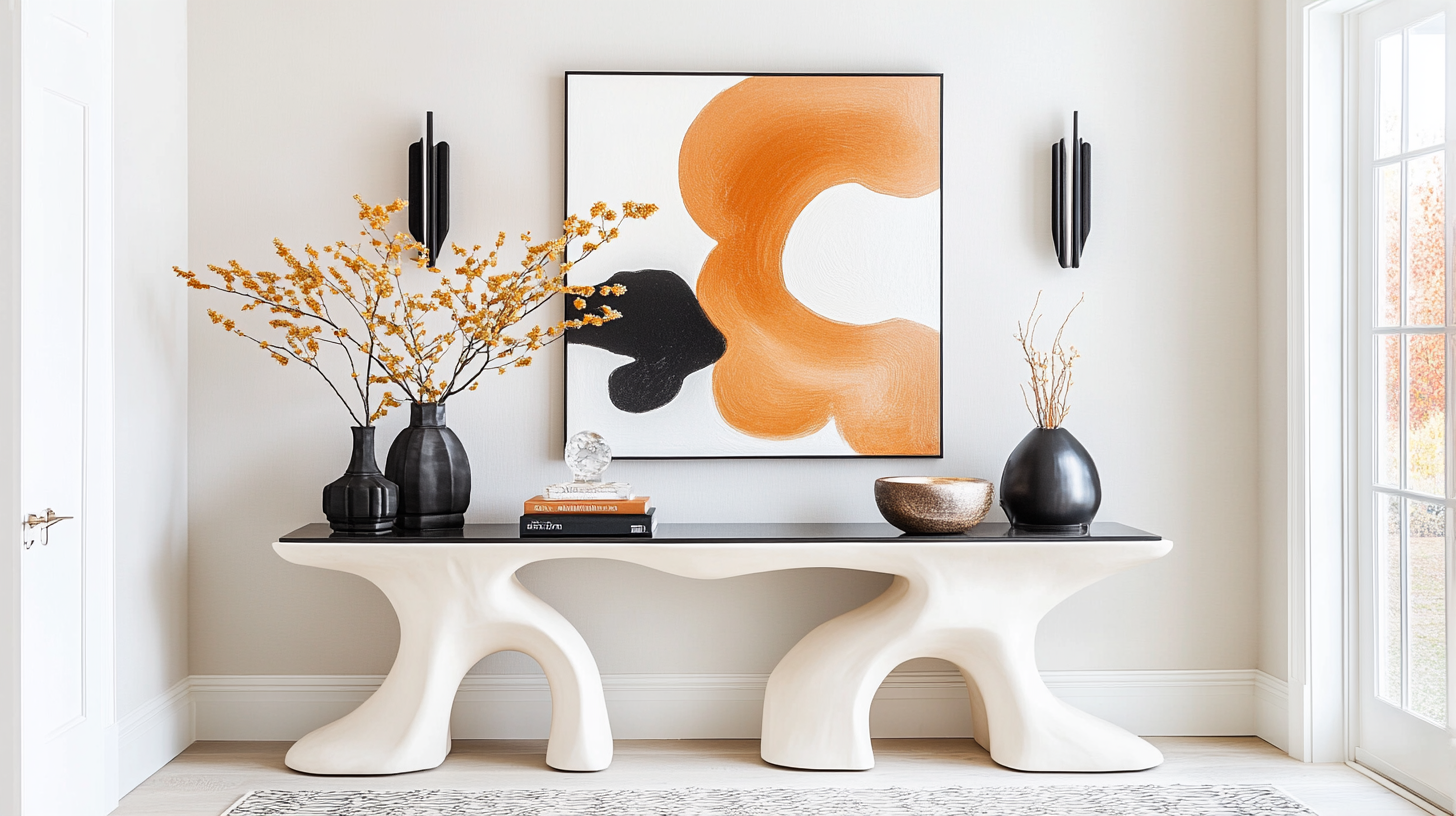
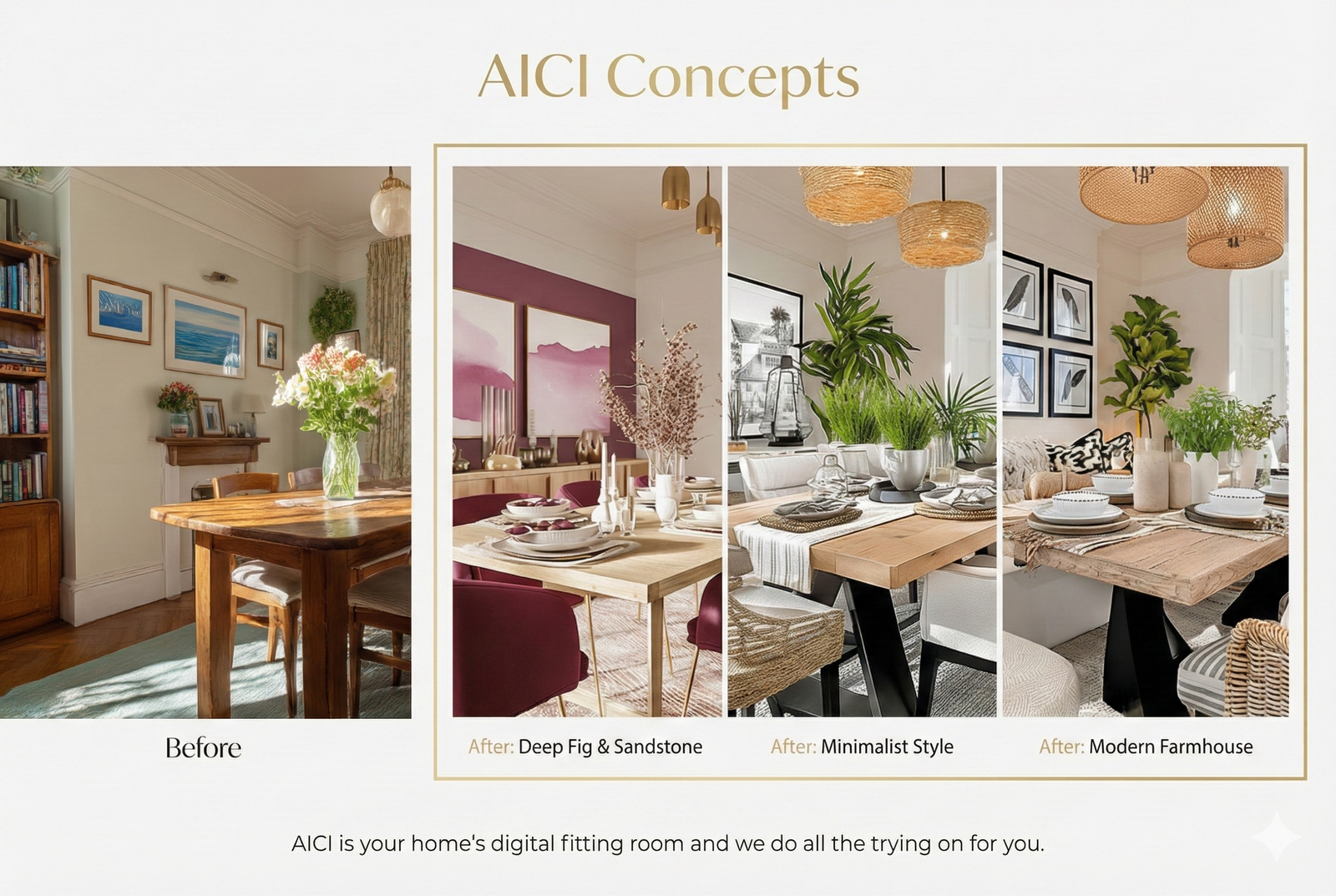
The magic of AI has shown you what’s possible for your space. It’s an exciting moment, full of inspiration! It’s also the moment that is often followed by a big question: “This is beautiful… but how do I actually make it happen?”
Feeling that way is completely normal. AI concepts are brilliant for capturing a specific mood and style, but they aren’t a shopping list or a technical blueprint.
Think of this article as your friendly, step-by-step guide to bridging that gap.
We’ll walk you through a few simple but essential steps to translate that digital inspiration into a beautiful, real-world space you’ll love.
Share This Post:
Step 1: Before You Search, Decode the ‘Vibe’
The biggest mistake is trying to find the exact chair or lamp from the image. The real goal is to replicate the feeling of the room. Before you even open a new browser tab, take a moment to analyse your favourite concepts:
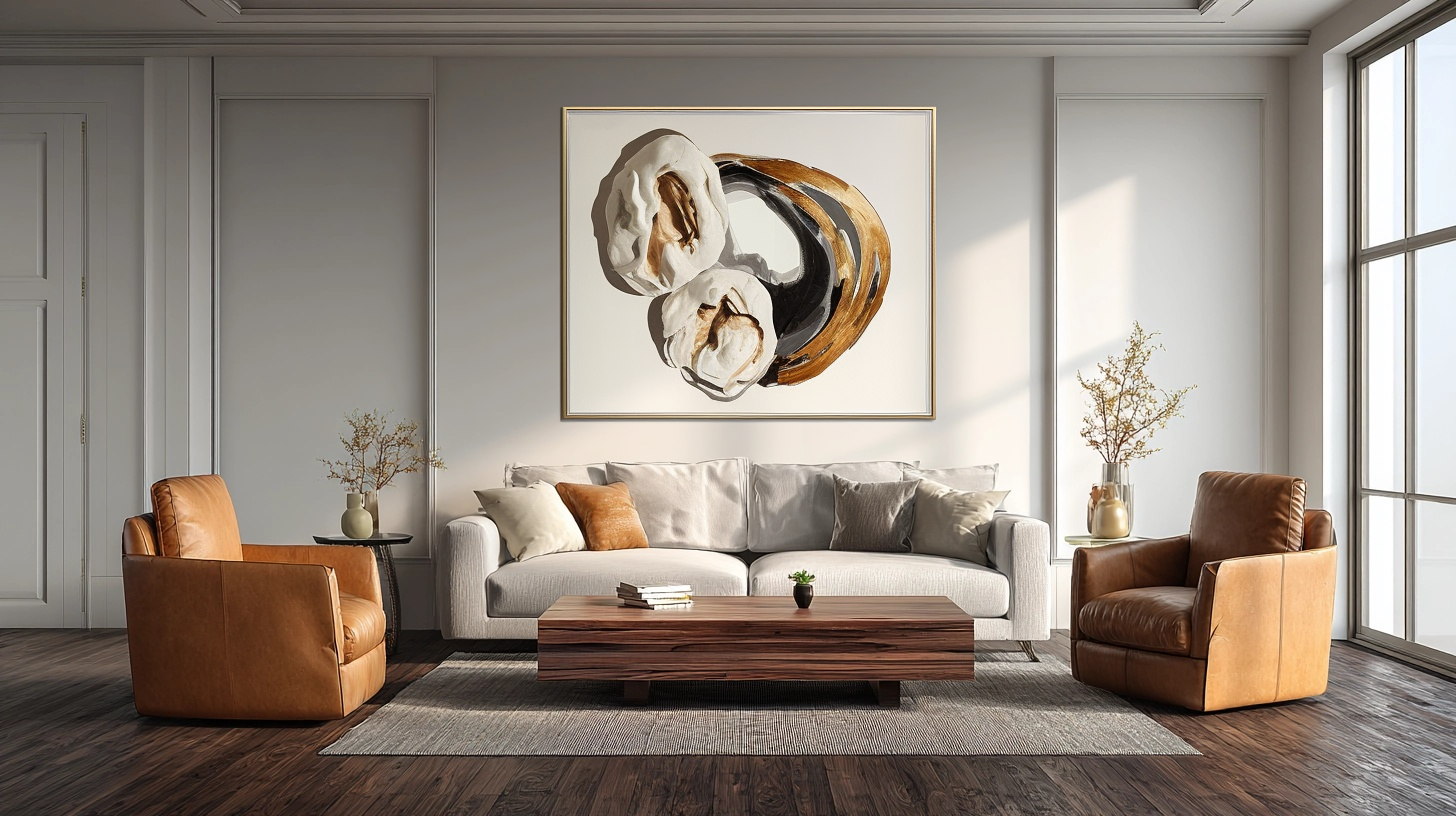
Name the Materials:
Look past the objects and see what they’re made of. Is the room full of warm walnut wood and soft bouclé fabric? Or is it cool marble, sleek glass, and shiny brass? Make a list of the core materials. This is your foundation.
Understand the Lighting:
Is the light in the image warm and cosy, or bright and energizing? AI is great at adding perfect light, which you can then replicate by choosing the right light bulbs (warm vs. cool tones) and fixtures that diffuse or direct light in a similar way.
Find Your Keywords:
Describe your favourite image in five words. Is it “Organic, textured, and calm,” or “Dramatic, luxurious, and bold”? These keywords will become your most helpful search terms.
Share This Post:
Step 2: The Smart Way to Find Your Pieces
Now that you have your keywords and materials list, you can start the hunt.
Start with Google Lens & Pinterest Lens
You already know how helpful Google Lens can be. The next step is Pinterest Lens (inside the Pinterest app). It’s often even better for décor because it understands aesthetics and will show you a world of similar, buyable items you can save to a board.
Master Descriptive Searching
This is how designers find unique items. Instead of searching for “wood table,” use the keywords you found earlier. Search for a “fluted oak media console” or a “round travertine coffee table”. The more descriptive you are, the better your results will be.
Step 3: Will It Actually Fit? Your Reality Check
This is the step that will save you from the most common and costly mistakes. AI images can be very deceptive with scale and size.
The Painter’s Tape Trick
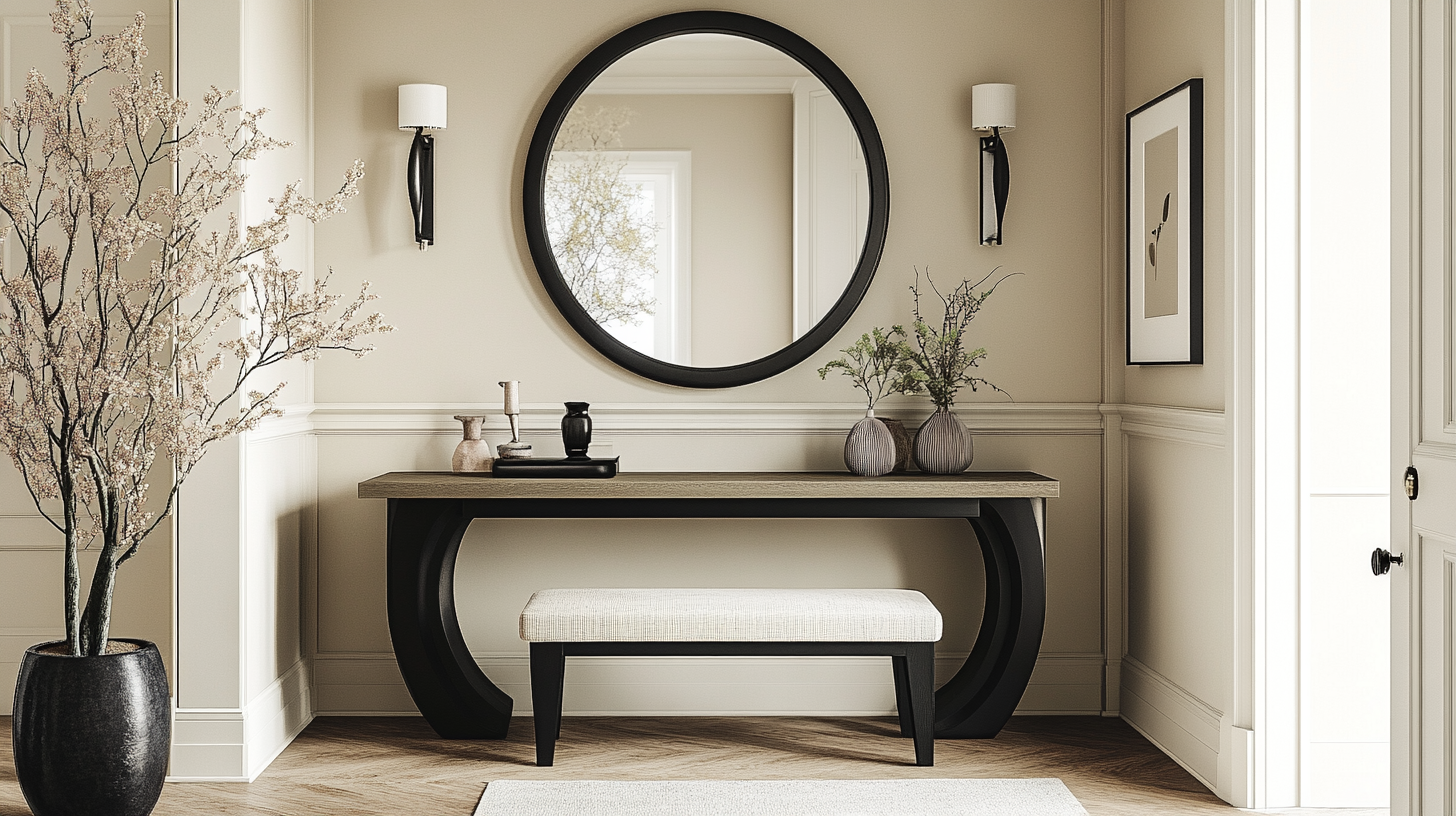
This is a classic, essential designer secret. Before you commit to a new sofa, rug, or dining table, use painter’s tape to mark out its exact dimensions on your floor. Live with it for a day. Walk around it. Does the room still feel spacious? Can you open doors easily? This simple action gives you a true feel for the scale of the item in your actual room.
Use a Free Room Planner (Optional)
For the more tech-savvy, a website like Floorplanner.com allows you to create a simple model of your room and drop in furniture with the correct dimensions to check your layout.
Step 4: Don’t Skip This Step: Nailing Colour and Texture
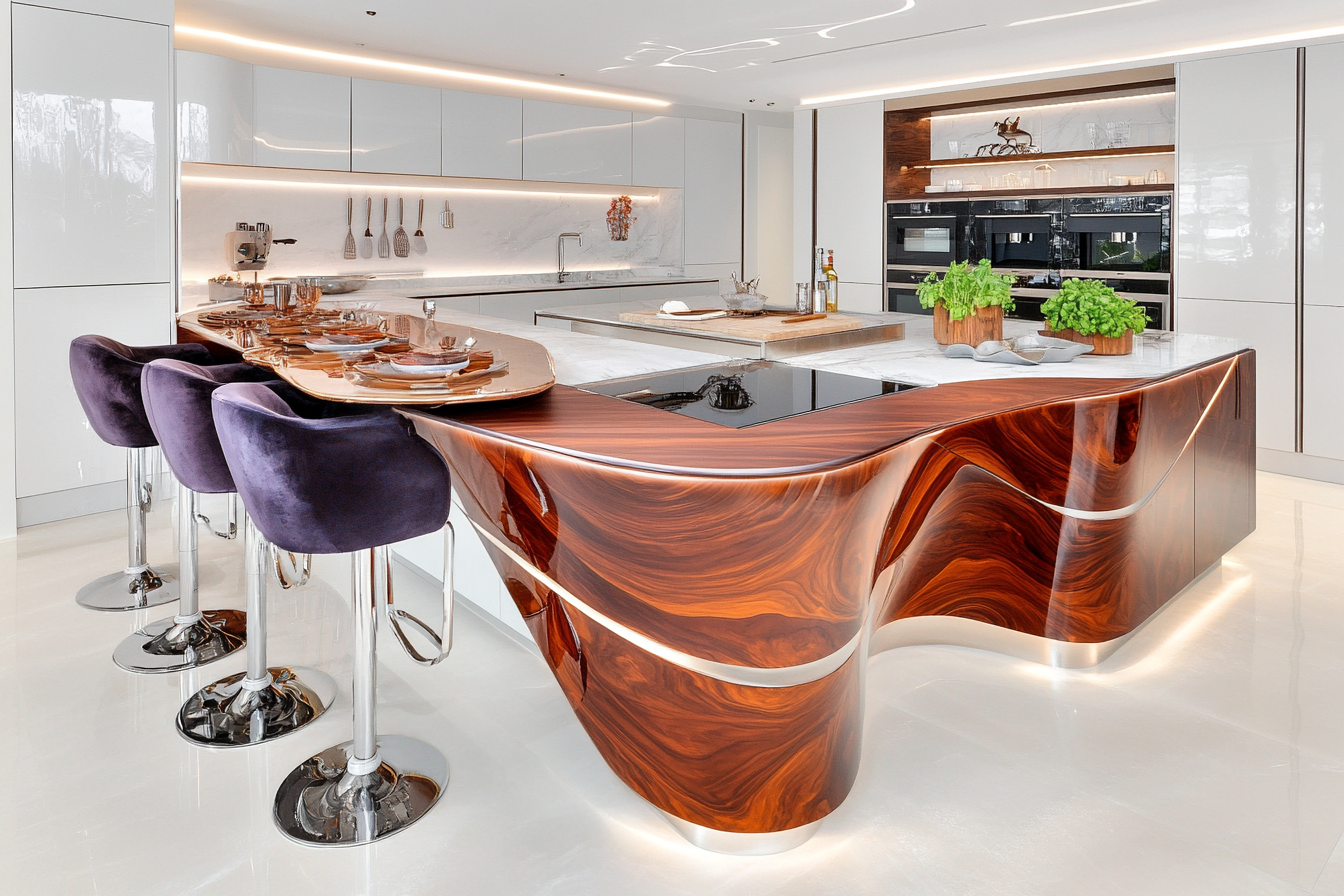
Screens lie. The colour on your phone is not the colour that will appear on your wall. This is the one rule you can’t ignore.
Always Get Physical Samples
- For Paint: Get tester pots and paint large swatches on two different walls. See how the colour looks in the morning light, in the afternoon, and at night with your lights on. It will change dramatically.
- For Fabrics: Always order fabric swatches for sofas or curtains to see the true colour and feel the texture.
Create a “Sample Box”
Gather all your physical samples- your final paint chip, your sofa fabric swatch, a wood sample for the flooring, a metal finish for hardware- and look at them together in your room. This is the only way to be certain that all the colours and textures work together harmoniously.
A Final Thought: Aim for the Feeling, Not the Replica
Your AI concept is the starting point, not the finish line. Don’t get frustrated trying to create a perfect 1:1 copy.
Instead, use the 80/20 rule: focus on getting the 20% of items that matter most (like the “hero” sofa or the overall colour palette) right, and you will successfully capture 80% of the feeling of the design.
Enjoy the process, and remember that creating a home you love is a journey, not a race.
*Feeling like this is still a lot to manage on your own? That’s what we’re here for. Explore our full range of design packages to get expert help with everything you may need:

Simple Ways to Use AI for Your Home Design in 2025
I’ve always believed our homes should be a reflection of who we are—a collection of our travels, our memories, and the people we love. Every room should rise up to meet you. But I also [...]
Small Salon Interior Design Ideas: A UK Case Study
A hair salon is more than a place where people come for a haircut. It is where they relax, talk, and recharge for an hour or two. The moment a client steps inside, the space [...]
AI Interior Design for Five Business Spaces
Running a business or managing a property often comes with one big challenge: it is hard to picture how the space could look and work better. An office might feel tired, a shop may not [...]

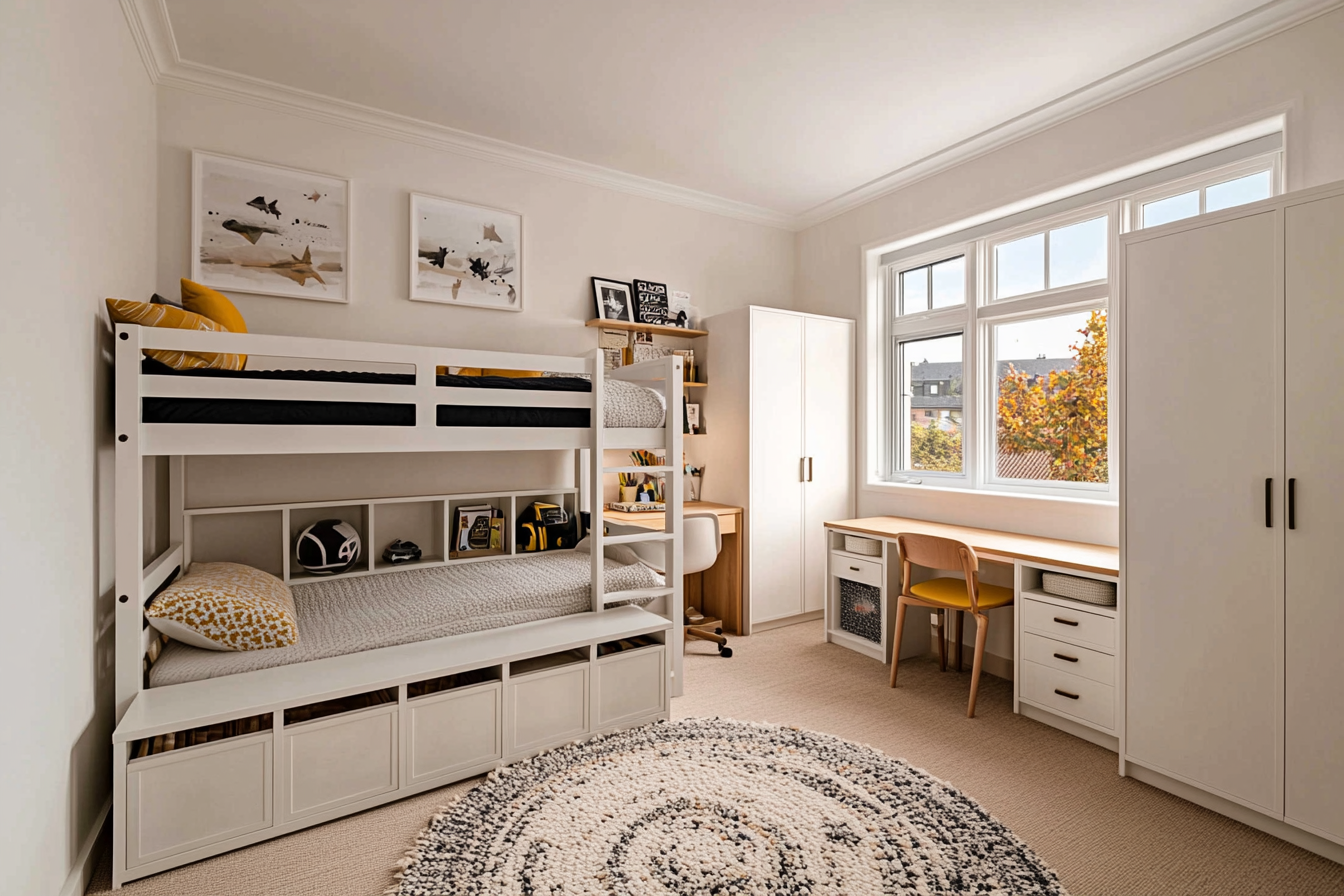
Two Children Sharing a Room: AI Design Concepts
When two children need to share a room, it can feel overwhelming. You are juggling sleep, storage, schoolwork and two very different personalities. At AICI, our job is to take the pressure off. We create [...]